The
Japan America Society of San Antonio,
or JASSA, was established in 1985 to
foster increased understanding and cooperation between
the citizens of San Antonio and the citizens of Japan.
As a non-profit, educational and cultural group it has
tried in numerous ways to make Japanese culture become
better known in San Antonio. |
Download June 2008 Newsletter
|
Download
Informational Flyer |
|
Japanese Tea
Gardens Reopens
Mabel
Enkoji Jingu, her husband, and other family
members return to the Japanese Sunken Gardens
for the grand reopening following $1.6 million
in repairs to the ponds. Hundreds gathered to
view the flowers, foliage, and reconstruction of
the ponds, which are being stocked with Koi. A
sixty-foot waterfall dominates the quarry wall,
which has been the home for the Japanese-style
gardens since the Jingu family moved to the
former quarry and cement factory in 1919.
See more photos |
 |
 |
|
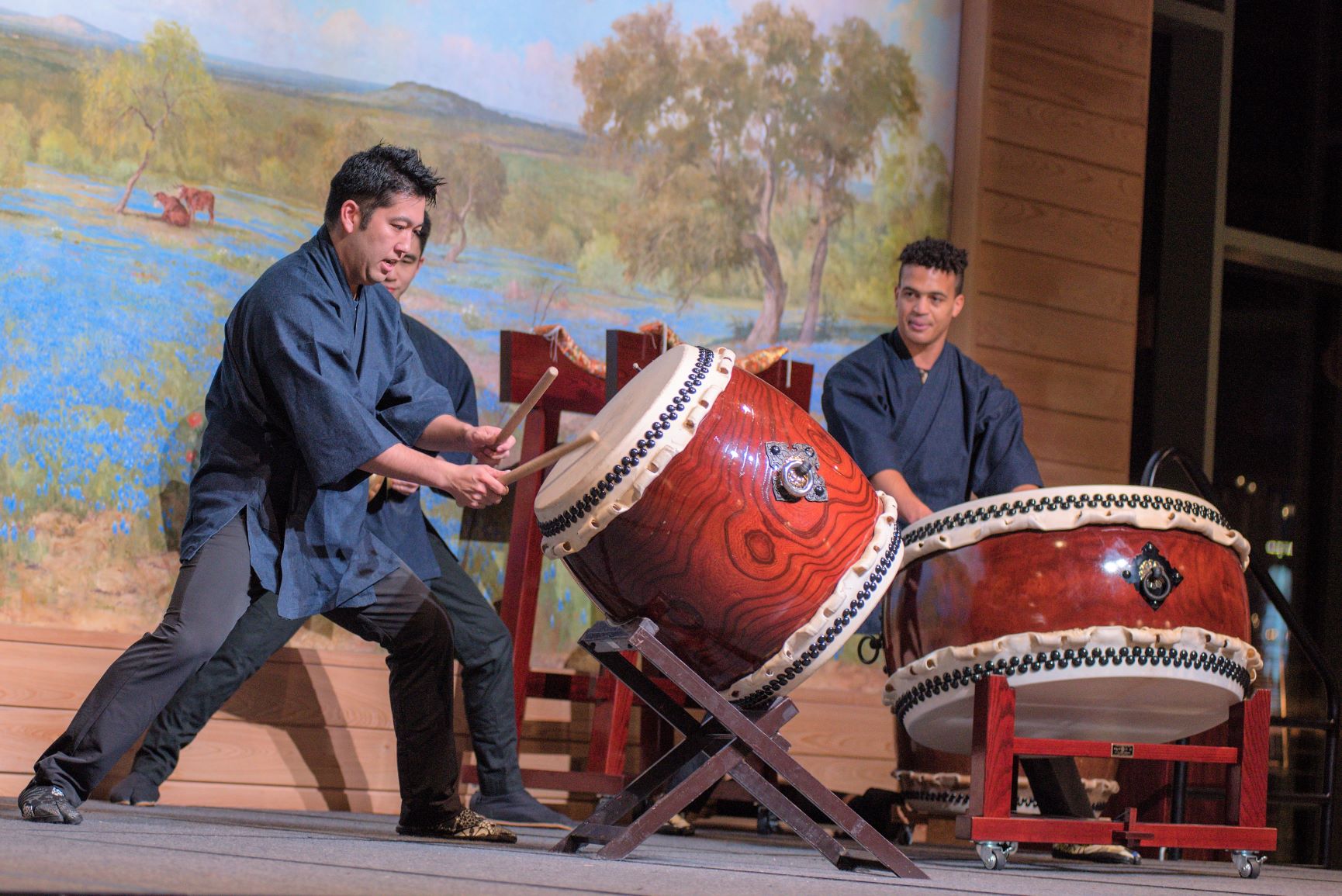
The Okinawa drum
group performed at a donor reception at the
Japanese Tea Gardens on March 6. |
|
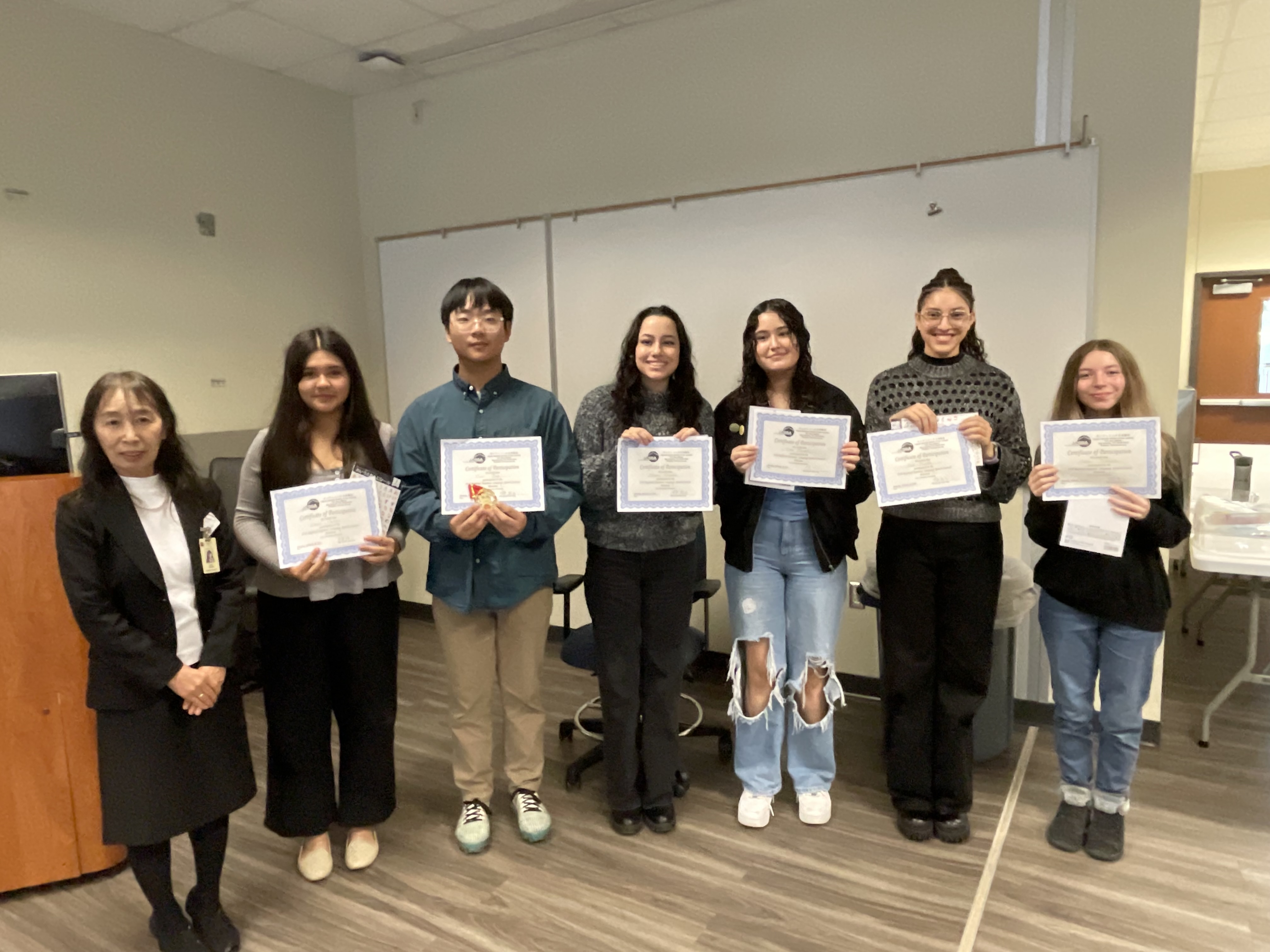
Participants in
the Japanese Language Speech Contest on February
2, at San Antonio College. Over 60 students
participated in the 19th Annual Contest. See the
full list of winners -
Click Here
 |
 |
|
Donors Raise $54,000 for
Scholarship Fund |
|
Rosemary Kowalski
is pictured with donors Ken Fukuta, President of
Toyota Manufacturing Texas, and David Moreno,
AT&T at the Scholarship Fund kickoff-dinner on
Nov 20 at the AT&T community center. JASSA
created the fund to encourage the study of
Japanese and Asian courses at San Antonio area
colleges and universities. Ken Fukuta is serving
as honorary chairman. Suzanne Peterson, Frost
Bank Senior Vice-President for Corporate
Development, is serving as scholarship committee
chairperson, and Max Navarro, Chairman of
Operational Technologies, is event and
fundraising chairman. See the full photo album.
Click Here. |
|
|
|
Each
year, JASSA holds a Japanese Matsuri,
or festival, in October featuring an array of music,
dance, foods, arts and crafts, martial arts, tea ceremony,
flower arrangement, and miniature bonsai trees. It
responds to many requests from schools to provide all
of these same kinds of cultural activities for classes,
clubs, and assemblies.
JASSA
regularly participates in the Annual Asian
New Year Festival and the
Texas
Folk Life Festival to bring Japanese foods,
cultural items, and activities to thousands of people.
|
|
Through
its Sister City Committee it has assisted with visiting
groups and individuals who have come to San Antonio
from Kumamoto. This has included meeting and greeting
them at the airport, hosting pot luck dinners, serving
as the rooting section for baseball teams, assisting
TV and other reporters with stories, helping with translation
for gardeners, and arranging for large groups of volunteers
to assist at the Kumamoto Fair.
|
The
San Antonio Museum of Art
hosts the largest collection of Asian Arts in the
Southern half of the United States.
In 2005, the Lenora and
Walter F. Brown Asian Art Wing opened, with 15,000
square feet of Japanese, Chinese, Indian, and Korean
exhibits and artifacts. (Link)
It
regularly assists the office of the Consulate General in
Houston with the Japanese Speech Contest
at three of the four year intervals when it is San Antonio’s
turn to host the event. In other years, it encourages
participation in the contest and helps to find qualified
native speakers to serve as judges.
In
support of
Kumamoto En, the
Japanese garden at the San Antonio Botanical Gardens,
it has been an active participant in the Garden’s
annual
Viva Botanica, and
has been the co-sponsor of Kumamoto En Day
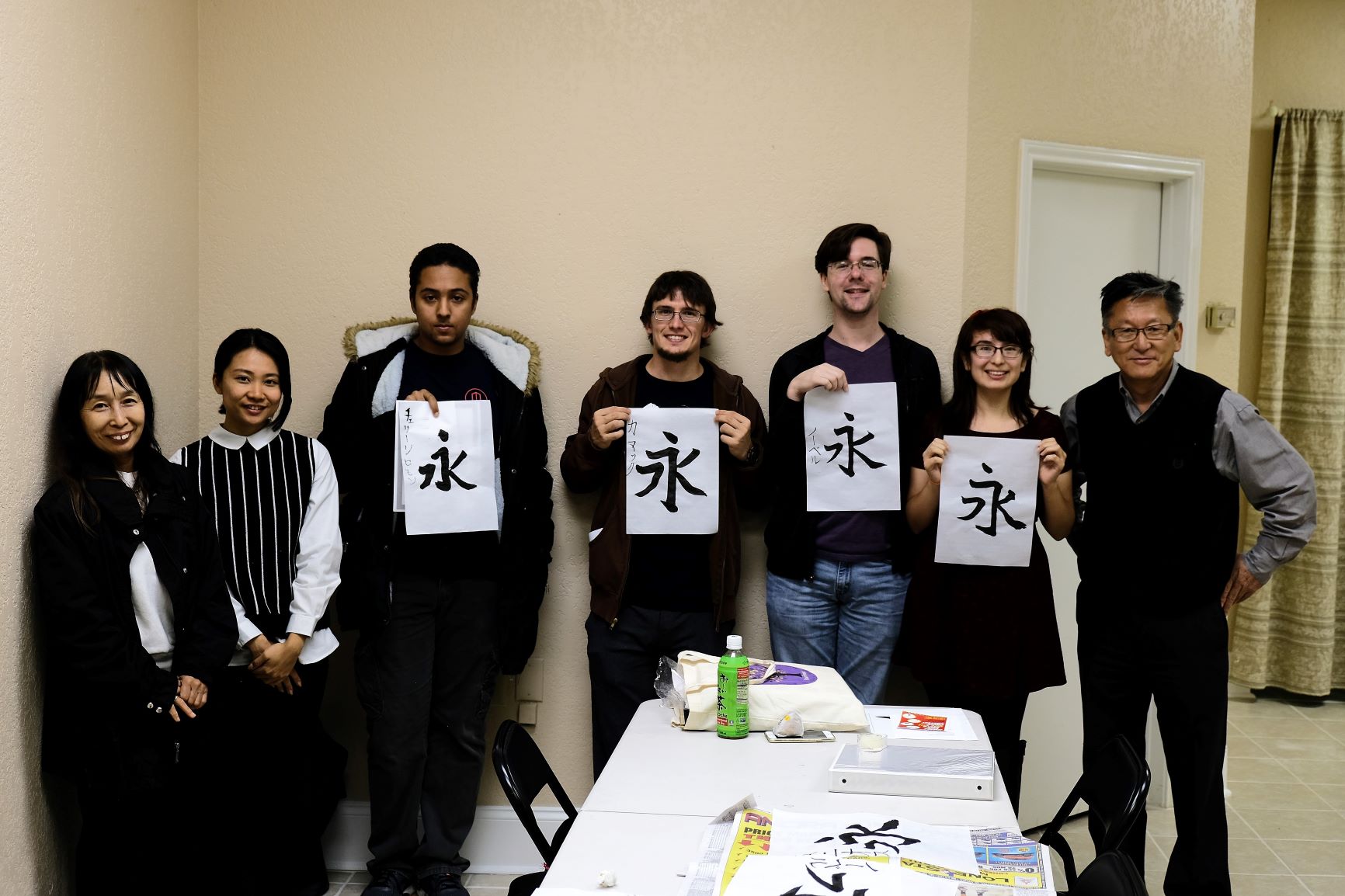
by providing Japanese foods, calligraphy, origami, miniature
sand garden construction, and tours of the Japanese
garden. Any profits from these activities are donated
to the Botanical Society to help support and maintain
Kumamoto En.
|
|
The
Hoshuko, or weekend school,
is supported and operated by the Japanese Companies
Association primarily so that Japanese children who
are here temporarily will not fall far behind in their
studies. The curriculum followed is that of the Japanese
Ministry of Education. JASSA
has helped to publicize the school and includes the
students in performance at its events, especially the
Matsuri.
Meetings
of the Society are an opportunity to gather with others
who are interested in Japan and its culture, whether
it is for planning, networking, or just the chance to
visit in English and Japanese with others who share
that heritage. |